Handcrafted in Ecuador Since 1630
Panama Hat
The definitive guide to authentic Panama hats. Learn how to identify genuine toquilla straw weaving, find your perfect size, and care for your Panama hat to last a lifetime.
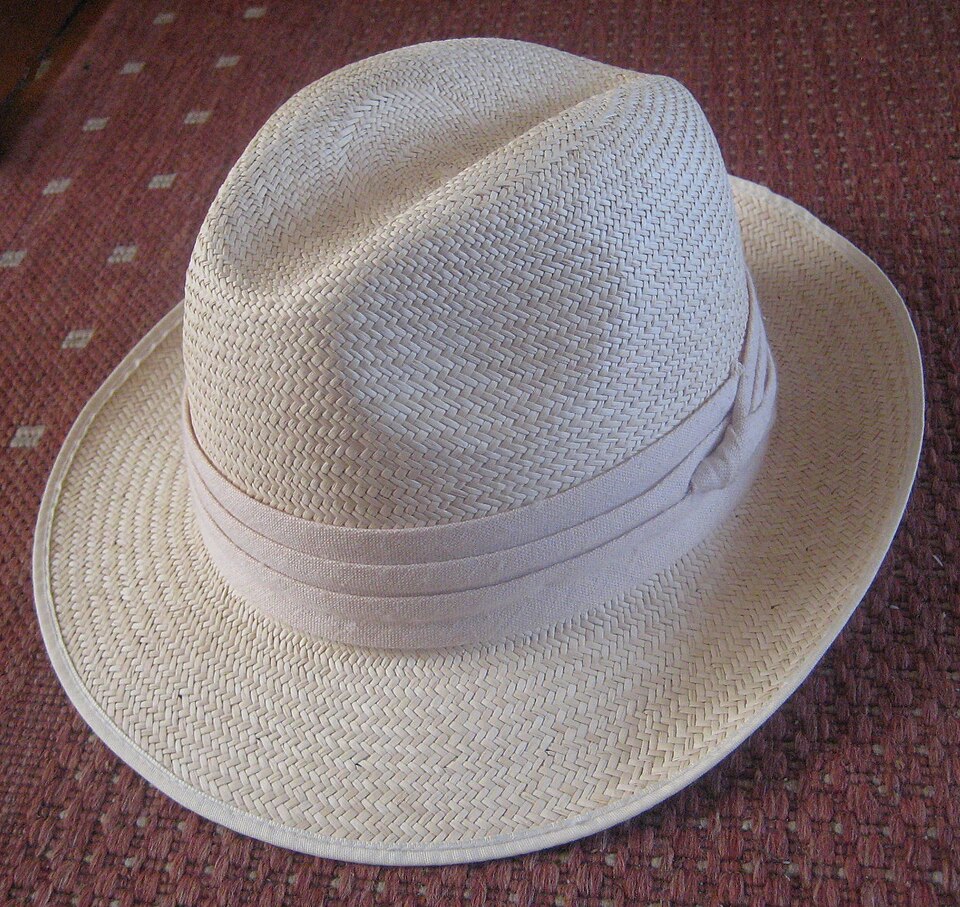
The definitive guide to authentic Panama hats. Learn how to identify genuine toquilla straw weaving, find your perfect size, and care for your Panama hat to last a lifetime.
A Panama hat is a traditional handwoven straw hat made from toquilla palm fibers in Ecuador (not Panama). These lightweight, breathable hats have been crafted by Ecuadorian artisans since the 17th century and are prized for their elegant appearance and excellent sun protection.
Entry-level authentic hats. Good for first-time buyers.
Excellent quality, finer weave. Best value for most buyers.
Superfino Montecristis. Museum-quality craftsmanship.
Genuine Panama hats are handwoven from toquilla palm by skilled Ecuadorian artisans. Each hat represents centuries of craftsmanship passed down through generations, offering unmatched quality and style.
Every genuine Panama hat is handwoven by skilled artisans in Ecuador. The finest examples, known as Montecristi superfinos, can take up to eight months to complete and feature incredibly fine weaving with up to 4,000 weaves per square inch.
The tightly woven toquilla straw provides excellent protection from the sun while remaining remarkably breathable. A quality Panama hat blocks harmful UV rays while keeping your head cool in hot weather, making it the perfect summer accessory.
The Panama hat has adorned the heads of presidents, movie stars, and style icons for over a century. Its classic silhouette complements both casual summer outfits and formal attire, making it one of the most versatile accessories in fashion history.
The story of the Panama hat begins in Ecuador during the early 17th century. Spanish conquistadors observed indigenous people wearing finely woven hats made from toquilla palm fiber, and the craft soon developed into a significant trade.
Despite being made exclusively in Ecuador, these hats became known as Panama hats because Panama served as the major shipping hub for South American goods heading to North America and Europe. The name was further cemented when President Theodore Roosevelt was photographed wearing one during his 1906 visit to the Panama Canal construction site.
Today, the art of weaving a Panama hat is recognized by UNESCO as an Intangible Cultural Heritage of Humanity. The finest Panama hats still come from the villages of Montecristi and Pile in Ecuador, where families have passed down weaving techniques for generations.
In a market flooded with cheap imitations, investing in an authentic Panama hat offers numerous advantages that synthetic alternatives simply cannot match.
Everything you need to know about selecting, wearing, and caring for your Panama hat. Our comprehensive guides help you make informed decisions.
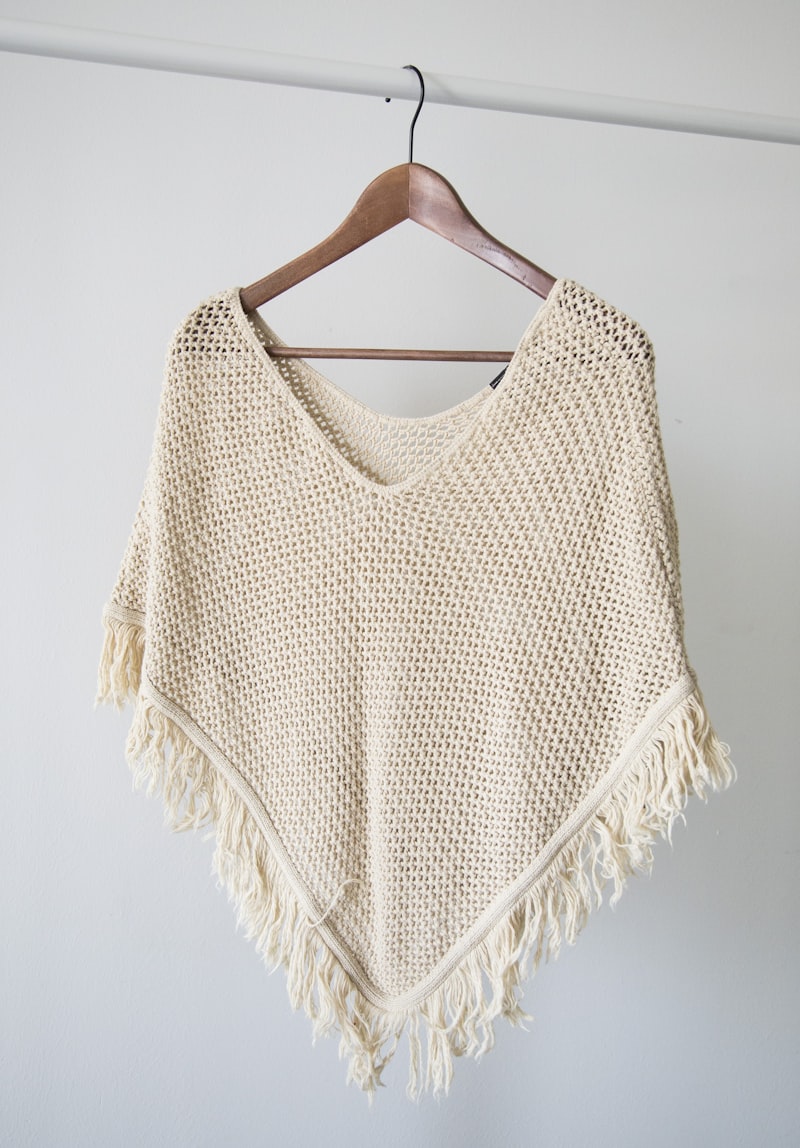
Learn to identify authentic Panama hats and avoid common imitations. Our detailed guide covers material checks, weave patterns, and trusted sellers.
Read Guide
Find your perfect fit with our comprehensive sizing guide. Learn how to measure your head and understand international size conversions.
Read Guide
Keep your Panama hat looking pristine with proper cleaning techniques. Learn safe methods for removing stains and maintaining the straw.
Read Guide
Discover the most reputable Panama hat makers and retailers. We review quality, pricing, and customer service to help you choose wisely.
Read Guide
Explore the different styles of Panama hats from classic Fedora to modern Optimo. Find the shape that best suits your face and personal style.
Read Guide
Discover the world's finest Panama hats from Montecristi, Ecuador. Learn what makes these extraordinary hats worth their premium price.
Read GuideReady to purchase? Here's what to know before buying your first (or next) authentic Panama hat.
Start with our authenticity guide to ensure you invest in a genuine handwoven Panama hat that will serve you for years to come.
Get Started